RM7 Moving Guide: Van Access, Parking and Restrictions
Moving in RM7 can be surprisingly straightforward once you understand the local access picture. The difference between a calm move and a stressful one often comes down to the basics: where the van can stop, how long it can stay, whether there are waiting restrictions, and whether the property has narrow roads, low branches, or awkward turning space. A lot of people only think about boxes and furniture. Fair enough. But in our experience, the real headache often starts at the kerb.
This RM7 moving guide: van access, parking and restrictions is designed to help you plan the move properly, avoid last-minute surprises, and keep everything moving on schedule. Whether you are moving from a flat, a family home, or a student property, the same principle applies: if the van cannot get close enough, the whole job becomes slower, harder, and more expensive. Let's make it simpler.
Why RM7 moving guide: van access, parking and restrictions Matters
RM7 covers parts of Rush Green and the surrounding East London area, where streets can vary a lot from one road to the next. Some addresses have decent frontage and easy loading. Others are tighter, busier, or simply not designed for a large van hovering outside for half an hour. That matters more than people expect.
If you plan access well, you reduce carrying distance, protect your furniture, and keep the move efficient. If you do not, even a simple two-bedroom move can feel like a relay race up and down stairs. And yes, the weather can join in too. A wet pavement and a heavy wardrobe are not best friends.
The other reason this matters is timing. Parking conditions in London-style residential streets can change through the day. School runs, commuter traffic, refuse collection, delivery vans, and neighbour parking all affect whether a mover can stop where they need to. A small delay at the kerb can ripple through the rest of the day.
For this reason, many customers find it useful to review broader preparation advice as well, such as moving house without the stress and decluttering before moving. When the load is lighter and better organised, access problems become less painful. Simple, but true.
How RM7 moving guide: van access, parking and restrictions Works
The basic idea is straightforward: identify where the removal van can legally and safely stop, work out how long it can remain there, and then plan the loading route from property to vehicle. In practice, that means checking a few things before moving day.
1. Van access to the property
Ask yourself whether the van can get close to the entrance without blocking traffic or causing an issue. Look out for narrow roads, tight corners, parked cars, speed bumps, height limits, and low-hanging trees. These are the little details that can catch people out. A high-roof removal van may also struggle with very tight underpasses or entrance points, so size matters.
2. Parking position
The ideal parking spot is close, safe, and lawful. In many residential moves, that means aiming for the nearest practical loading point rather than trying to force the van directly outside the door at any cost. Sometimes a short carry is fine. Sometimes it is not. A block with steps, a long walkway, or shared access can change the plan completely.
3. Local restrictions
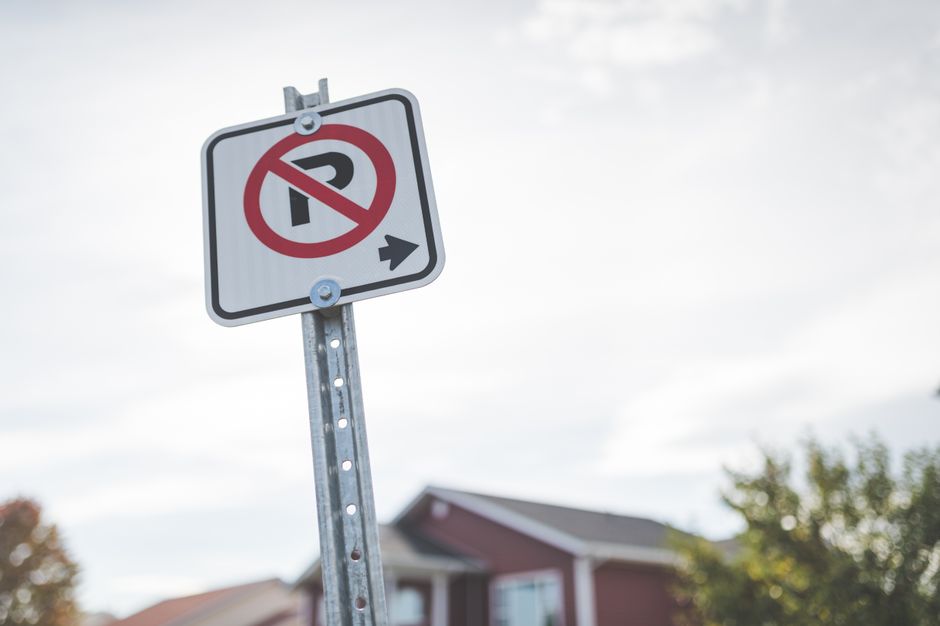
Restrictions can include yellow lines, permit-only bays, timed loading bays, suspension zones, controlled parking zones, school keep-clear markings, or general waiting limits. The rules are location-specific, so the safest approach is always to check the relevant council guidance and street signage. If anything seems unclear, do not assume. That is how tickets happen, and nobody wants that on moving day.
4. Property-specific access
Flats, maisonettes, and shared properties often create the most friction. Think shared entrances, stairwells, lift use, intercom access, and door width. If you are moving from a flat, a good place to start is flat removals in Rush Green, which sits neatly alongside the access planning you are doing here. For larger homes, house removals in Rush Green may be the more relevant option.
The key is not to treat parking and access as an afterthought. They shape the whole move. Quite a lot, actually.
Key Benefits and Practical Advantages
Good access planning is not just about avoiding trouble. It gives you real, practical advantages that are easy to feel on the day.
- Less carrying distance: fewer steps from front door to van means less strain and less time.
- Lower risk of damage: furniture is less likely to be scraped against walls, railings, or door frames.
- Better time control: a well-placed van speeds up loading and unloading.
- Reduced stress: you are not improvising every five minutes while boxes pile up in the hallway.
- Fewer parking issues: proper planning lowers the chance of fines, arguments, or awkward repositioning.
There is also a safety benefit. Heavy lifting over a long distance is tiring, especially if it is repeated dozens of times. If you are moving bulky items, it may help to read about safe heavy lifting and, for awkward or valuable pieces, furniture removals support. A short route from the property to the van is easier on backs, shoulders, and patience. Truth be told, all three matter.
One small but overlooked benefit: a sensible parking plan helps neighbours too. Nobody enjoys a lorry-style stand-off in a quiet residential street. Being considerate keeps the move calmer from the start.
Who This Is For and When It Makes Sense
This guide is useful for anyone moving in or out of RM7, but some situations need it more than others.
- Flat movers: especially where the property is above ground floor or set back from the road.
- Family homes: larger loads mean more trips, so access matters more.
- Students: if you are moving into a shared property with limited roadside space, a quick plan helps a lot. See student removals in Rush Green for a more targeted approach.
- Office moves: business relocations often have strict time windows and building rules. Office removals in Rush Green are usually best planned around access first, furniture second.
- Bulky-item moves: pianos, sofas, wardrobes, and mattresses need more room and more care.
If you are only shifting a few boxes, you may not need a complicated plan. But as soon as the items get larger, the road gets busier, or the property gets less accessible, it becomes worth thinking like a removal crew. Not fancy. Just practical.
For some people, a man with a van in Rush Green is enough. For others, a more complete removal service makes life much easier, particularly when access restrictions are awkward or the day is time-sensitive.
Step-by-Step Guidance
Here is a simple process you can follow before moving day. It is not glamorous, but it works.
- Check the street and approach road. Look at the route the van will take, not just the final parking spot. Watch for one-way systems, narrow bends, speed humps, and any obvious pinch points.
- Identify the best loading point. Sometimes the closest legal bay is better than trying to stop on a busy corner. A safer parking spot with a short walk is often the smarter choice.
- Confirm restrictions. Read signage carefully. If the road has permit-only parking, timed restrictions, or loading-only conditions, make a note of the exact times.
- Measure the awkward bits. Doorways, stair turns, lift dimensions, and hallway widths can all affect whether a sofa or bed can get out smoothly.
- Prepare the exit route. Move shoes, bins, plants, and loose clutter out of the way so nobody trips when carrying items. A clear hallway looks boring, but it saves time.
- Pack with access in mind. Use smaller boxes for heavier contents and keep essentials separate. If you want practical packing advice, this packing guide is a solid companion read.
- Protect bulky furniture early. Wrap corners and surfaces before the item leaves the room, not once it is halfway down the stairs. For larger upholstery, sofa protection tips can be genuinely useful.
- Build a fallback plan. If the nearest bay is occupied, decide in advance whether the van can wait briefly, use an alternative side street, or unload in stages.
A tiny detail, but an important one: keep your phone charged and your keys handy. People always assume they will remember where everything is. Then moving day happens. Suddenly no one knows where the kettle box is, and everyone becomes philosophical about it.
Expert Tips for Better Results
Once the basics are covered, a few small decisions can make the day noticeably smoother.
Check access at the same time of day you plan to move
A street that feels quiet at 11am can feel very different at 8am or after school drop-off. If possible, walk or drive past at the likely moving time. You will get a far better sense of real-world parking availability.
Keep bulky items grouped together
Wardrobes, beds, mattresses, and sofas take up time. If those items are scattered across several rooms, loading slows down. Group them early so the crew can work in a logical order. If you are moving a bed or mattress, this step-by-step bed moving guide is worth a look.
Use the shortest route inside the property
Sometimes the front door is not the best exit. If the back gate or side access is wider and safer, use that. Just make sure it is secure, unlocked, and clear before the van arrives.
Separate high-risk items
Pianos, glass furniture, and heavy cabinets should not be treated like standard boxes. If the access is tight, those items may need special handling. That is one reason many people prefer piano removals in Rush Green rather than trying to manage it themselves. To be fair, it is rarely a DIY win.
Think about storage if timing is messy
If completion times are uncertain, or access at the new property is restricted, temporary storage can make the whole move less fragile. See storage in Rush Green if that kind of buffer might help.
One more thing: if the move is last-minute, use a simple stress filter. Ask, "Will this make loading easier, or am I just adding more to move?" That question saves more time than people expect.
Common Mistakes to Avoid
Most moving access problems are preventable. The trouble is, they are easy to overlook when you are focused on the million other things that need doing.
- Assuming the van can park outside: not every street allows it, and not every bay is usable all day.
- Ignoring permit zones or loading restrictions: a "quick stop" can become a penalty if the rules are not checked properly.
- Forgetting about vehicle size: a van that is fine on paper may still be too big for a tight turning circle or narrow entrance.
- Leaving bulky items for last: they are hardest to move when energy is already low.
- Not checking stairwell space: the item may fit through the front door but get stuck on the turn upstairs. Annoying, but common.
- Parking too far away without a plan: a few extra metres can turn into dozens of extra trips.
Another common one is treating all local streets as if they work the same. They do not. One road in RM7 might have reasonable stopping space, while the next has resident-only parking and very little margin. That difference matters more than people realise.
If you want help reducing the volume of things that need to be moved, a bit of decluttering before the day can make access less critical and the whole job less exhausting.
Tools, Resources and Recommendations
You do not need a van-load of special equipment to manage RM7 access properly, but a few simple tools help a lot.
- Measuring tape: for doors, lifts, stair turns, and awkward furniture dimensions.
- Phone camera: take photos of parking signs, access points, and any tricky obstacles. A picture is much easier than trying to remember the exact wording later.
- Furniture blankets and covers: useful for keeping items clean and reducing scuffs during short carries.
- Trolley or sack truck: helpful if the loading point is not right by the door.
- Box labels: less glamorous than a parking permit, but arguably more helpful when the day gets busy.
- Local route planning: if your move involves wider route concerns as well as parking, the article on A12 access for Rush Green moves is a smart reference point.
If you are comparing service levels, the broader services overview is useful because it helps you see what kind of support sits around the core move itself. For pricing questions, pricing and quotes is the right place to start. And if you care about how payments are handled, payment and security gives a reassuring overview.
Law, Compliance, Standards and Best Practice
When moving in RM7, the most important compliance issue is usually parking and loading legality. That means paying close attention to local street signs, controlled parking zones, and any restrictions that apply at the time of your move. Councils set different rules, and those rules can change by street or by bay type, so it is safest to verify them directly rather than guessing.
It is also sensible to follow general transport and safety best practice. A professional removal team should think about safe lifting, secure loading, protecting floors and walls, and avoiding unnecessary obstruction to pedestrians or traffic. If you are hiring help, checking a company's health and safety approach and insurance and safety information is not overcautious. It is just sensible.
For larger or more complex jobs, clear terms matter too. The pages on terms and conditions, complaints procedure, and about us help set expectations before moving day. That kind of transparency builds trust, which is exactly what you want when valuables are being loaded into a van.
Accessibility can matter as well, especially if someone in the household has mobility needs. If that applies, the accessibility statement is worth reviewing alongside your move plan.
Options, Methods, and Comparison Table
There is more than one way to handle access and parking in RM7. The right choice depends on your street, your load, and how much time you have. Here is a simple comparison.
| Approach | Best for | Pros | Watch-outs |
|---|---|---|---|
| Park as close as possible | Short, simple moves with legal roadside space | Fast loading, less lifting, lower fatigue | Can be impossible on busy or restricted streets |
| Use the nearest legal bay and carry further | Homes with some access but limited direct parking | Usually lawful and more flexible | More manual effort and longer turnaround time |
| Arrange a dedicated loading window | Moves where timing and access are tight | More control, less conflict with other traffic | Needs planning and may depend on local rules |
| Use storage or split the move | Delayed completions or difficult property access | Reduces pressure on a single day | Extra handling and potentially extra cost |
For many people, the best option is a mix: a sensible parking location, a clear loading path, and a fallback plan if the first choice is unavailable. Nothing fancy. Just enough structure to keep the day on track.
Case Study or Real-World Example
Here is a typical RM7-style scenario. A couple were moving from a first-floor flat on a residential street where parking was tight by late morning. They assumed the van could stop directly outside, but the nearest space was often taken by commuters and neighbours who had returned from early errands. Nothing unusual, just one of those streets.
Instead of gambling on the day, they checked the road the evening before, noted a legal loading option a short walk away, and cleared the flat in stages. The bulky items were grouped near the exit, the boxes were labelled by room, and the heavier items were loaded first. The van parked slightly further down the road, but because the pathway was clear and the load was organised, the move still stayed on schedule.
The small win here was not luck. It was planning. The couple also used temporary storage for a few items they did not need immediately, which reduced pressure on the moving day itself. That is exactly the sort of situation where a suitable removal van and a realistic access plan work together rather than against each other.
Expert summary: in RM7, the best moving plan is rarely the one with the shortest theoretical walk. It is the one that combines lawful parking, practical loading space, and a route that stays workable if one variable changes.
Practical Checklist
Use this checklist the day before your move. It keeps the important stuff in one place.
- Confirm the moving address and exact arrival time.
- Check the street for parking restrictions and loading signs.
- Identify the nearest legal parking or loading point.
- Measure doorways, stair turns, and any tight internal spaces.
- Clear hallways, entrance paths, and external access points.
- Protect floors, furniture, and fragile edges.
- Label boxes by room and priority.
- Separate valuables and documents.
- Keep the phone charged and accessible.
- Plan a backup parking option in case the first choice is occupied.
- Tell neighbours or building management if access may be briefly affected.
- Have water, snacks, and basics to hand. Small thing, big difference.
If you are still at the preparation stage, pairing this with house cleaning before moving can help you leave the property in good shape and avoid last-minute clutter around the entrance. That little bit of order tends to make the whole move feel more controlled.
Conclusion
The smartest RM7 moves are usually the ones that respect the basics: safe van access, legal parking, and a realistic view of local restrictions. If you get those three things right, everything else becomes easier. Boxes are easier to load, furniture is easier to protect, and the day feels far less chaotic. Not perfect, maybe, but far better.
Whether you are moving a flat, a house, or an office, access planning is not a side task. It is part of the move itself. Treat it that way, and you will save yourself time, effort, and a fair amount of stress.
If you want help turning the plan into something practical, start by reviewing the right service options and checking the details that matter most for your property. A calm move usually starts with one clear decision: do the access check first.
Get a free quote today and see how much you can save.
Sometimes the best moving days are the ones that look boring from the outside. That is usually a very good sign.
Frequently Asked Questions
Can a removal van park directly outside my RM7 property?
Sometimes, yes, but not always. It depends on the street layout, parking controls, traffic flow, and whether the space is legally available at the time of the move. Always check signs and local restrictions rather than assuming the space will be usable.
What should I do if my street has yellow lines or permit parking?
Check the exact wording on the signage and the council guidance for that road. In some areas, loading may be allowed for limited periods, but the rules vary. If the situation looks uncertain, plan for the van to use the nearest legal alternative instead.
How do I know if a van will fit on my road?
Measure the road visually if possible, look for width restrictions, parked cars, turns, and low obstacles, and think about whether the vehicle can turn or wait safely. If you are hiring a van, ask about dimensions before confirming the booking.
Is it better to park close or use a legal bay further away?
A legal bay is always better than a risky stop. A slightly longer carry is usually preferable to parking somewhere unsafe or restricted. The right answer is the one that keeps the move lawful and workable.
What time of day is best for moving in RM7?
That depends on the road, but quieter times often make parking and loading easier. Avoid assuming the morning will always be calmer. School runs, deliveries, and commuter traffic can all affect access.
Do I need to tell the council about my move?
Not always. But if you need a parking suspension, a permit, or an unusual loading arrangement, you may need to check with the relevant council in advance. Procedures differ, so verify the local rules before moving day.
What if the van cannot stop near the property?
Have a backup plan. That might mean using a nearby legal parking space, working in stages, or using trolleys and extra carriers. For bigger moves, a professional removal service can make this much easier to manage.
Are flat moves more difficult than house moves in RM7?
Often yes, because access is usually more constrained. Stairs, lifts, shared entrances, and limited roadside parking can all slow things down. That is why flat moves benefit from careful planning.
Can I move bulky items like sofas or beds without special help?
Sometimes, but it depends on the item, the stairs, and the access route. Bulky furniture can be awkward and easy to damage. If you are unsure, read the relevant furniture guidance or consider professional help.
What is the biggest mistake people make with van access?
Assuming the nearest parking space will be available and suitable. It sounds minor, but that one assumption causes a lot of delays. A second mistake is not checking the route from the van to the front door.
How can I make loading and unloading faster?
Label boxes, group heavy items together, clear the path, and keep the route from property to van as short as possible. Good packing and decluttering make a bigger difference than most people expect.
Where can I find more help with my move?
You can explore service pages for removals in Rush Green, man and van support, or broader removal company options. If you are comparing choices, start with the service that best matches your property and access conditions.