Rush Green parking permits: council rules for removal vans
If you are planning a move in Rush Green, parking can become the part that suddenly steals all the calm from the day. One minute you are focused on boxes, keys and cleaning; the next you are wondering whether a removal van can stop outside, whether a permit is needed, and what happens if the street is tight, busy or lined with restrictions. This guide explains Rush Green parking permits: council rules for removal vans in plain English, so you can plan a move without that last-minute scramble.
To be fair, most moving-day parking issues are preventable. A little checking goes a long way, especially on residential roads, near flats, or anywhere with controlled parking. Below you will find a practical breakdown of how it usually works, what to watch for, and how to avoid the classic mistakes that turn a straightforward move into a stressful one.
Why Rush Green parking permits: council rules for removal vans Matters
Parking is one of those things you barely notice until it becomes the reason a move slows down. In Rush Green, the streets can vary a lot. Some homes have decent kerb space and wide access, while others sit on narrow roads where even a standard van feels like it is taking up half the block. If your removal vehicle cannot stop close enough, your move gets longer, heavier and riskier.
This matters for three simple reasons. First, time: every extra minute spent walking between the van and the front door adds pressure. Second, safety: carrying furniture further than necessary increases the chance of knocks, strain and dropped items. Third, compliance: parking in the wrong place can lead to a ticket, a complaint from neighbours, or in some cases a delay while the vehicle is moved.
We have all seen it happen. The crew arrives, the nearest space is occupied, and suddenly the van is circling the street while someone searches for a fallback spot. Not ideal when the kettle's packed and the sofa is already halfway off the truck. This is why understanding local parking expectations before moving day is worth the effort.
If you are already in the thick of planning, it can also help to read broader move-prep advice such as moving house without the stress and decluttering before you move. Parking is only one piece of the puzzle, but it is a piece that affects everything else.
How Rush Green parking permits: council rules for removal vans Works
The exact rules can vary depending on the street, the type of restriction in place, and whether the vehicle is a large removal van, a smaller van, or a man and van setup. In practical terms, you are usually looking at a few moving parts:
- Whether the road is controlled by waiting restrictions, bays, or loading rules.
- Whether a permit, dispensation, or temporary parking arrangement is needed.
- How long the van will need to stay in one place.
- Whether the vehicle can safely load and unload without blocking access.
For many moves, the most important question is not "Can a van park here?" but "Can it stop here long enough to load properly without causing a problem?" That is the real moving-day test.
In UK residential areas, councils often distinguish between ordinary parking and loading/unloading activity. That sounds dry, but it makes a practical difference. A removal team may be able to stop briefly for active loading, even where normal parking is restricted. On the other hand, if the van is left for a long period, that may fall outside what is allowed. Let's face it, there is a big difference between a quick furniture handover and leaving a van half a day on a yellow-lined street.
Where permit schemes exist, they may be run through the local authority, and different streets may sit under different restrictions. Flats and shared blocks can be especially fiddly because there may be private parking rules on top of council rules. That is why the safest approach is to check the specific address rather than assuming the whole area works the same way.
If your route includes busy local access or a more complicated approach, you may also find A12 access and route timing tips useful, especially if you are coordinating arrival windows with traffic conditions.
Key Benefits and Practical Advantages
Getting the parking plan right does more than avoid fines. It makes the whole move feel more controlled. And that calmer feeling matters more than people think.
- Faster loading and unloading: Shorter walking distance means less back-and-forth and fewer delays.
- Lower risk of damage: When movers do not need to carry items as far, there is less chance of scrapes on walls, door frames and furniture.
- Less physical strain: This is especially noticeable with bulky items like wardrobes, beds and sofas.
- Fewer neighbour issues: A thoughtful parking plan reduces complaints and keeps everyone on better terms.
- More predictable timings: If the van can park legally near the entrance, the schedule is far easier to control.
There is also a hidden benefit: confidence. When parking is sorted, the move feels less chaotic from the first ten minutes. You are not firefighting before the first box is even out the door. That can change the mood of the entire day.
For moves involving large household items, combine parking planning with sensible handling advice. For example, safe lifting techniques and bed and mattress moving guidance can make the job smoother once the van is in position.
Who This Is For and When It Makes Sense
This topic matters most if any of the following apply to you:
- You are moving from a street with controlled parking or bay restrictions.
- You live in a flat, maisonette, estate or managed block.
- Your move involves a larger removal van rather than a small car-derived van.
- You are moving during busy hours when roadside space is limited.
- You need the vehicle to remain close to the property for an extended loading period.
It also makes sense if you are moving on a tighter timetable. Same-day moves are a good example. When everything is already compressed, even a ten-minute parking delay can ripple through the whole day. If that sounds familiar, take a look at same-day removals availability and typical costs before you book.
Students, families, downsizers and office movers all benefit from this sort of planning, though the details differ. A student move may only need a short loading stop, while a family home might need more space and more time. A piano move or awkward flat move? Different story again. The heavier and more delicate the load, the more you want parking sorted before the first lift.
Step-by-Step Guidance
Here is a practical way to handle parking for a Rush Green move without overcomplicating it.
- Check the exact address. Do not rely on the area name alone. Two streets a few minutes apart can have completely different restrictions.
- Look at the vehicle size. A small van may fit somewhere a larger removal lorry will not. Be realistic, not optimistic.
- Identify where loading is easiest. Front access is ideal, but a side road, service entrance or nearby legal stop may work better.
- Allow for loading time. If you have bulky furniture or stairs, build in a bit of slack. Always.
- Consider neighbours and access routes. Will you block a driveway, entrance or turning circle? If yes, rethink it.
- Plan a backup spot. A second option nearby can save the day if the first space is taken.
- Confirm with your mover. A good removal team will usually want to know about access, permits and any height or width limits in advance.
When you are packing, it helps to have the move staged properly. Smaller boxes, clearly labelled rooms, and furniture dismantled where sensible make the parking problem less severe because the loading process is quicker. If you want practical prep help, efficient packing tips and cleaning the house before moving can help you avoid last-minute chaos.
One small but useful trick: on the evening before moving day, stand outside your property for a minute and picture the van arriving. Where would it stop? Where would you walk? Where would the awkward wardrobe corner swing? That little mental rehearsal catches problems surprisingly often.
Expert Tips for Better Results
There are the obvious tips, and then there are the ones that come from seeing enough moving days to know where people usually trip up.
- Use the shortest possible route from van to door. Even if it means a slightly less convenient parking position, a legal stop closer to the entrance usually wins.
- Keep the first-load items ready. Tools, kettle, bedding and essential bags should not be buried under boxes. You will want them quickly.
- Separate delicate items from heavy traffic. Mirrors, artwork and glass should not be carried while a van door is swinging or a parking space is being sorted out.
- Ask about temporary access arrangements early. If your property has private parking or an estate layout, there may be local rules that affect the day.
- Book enough help for the bulky bits. Parking is not only about legality; it is about how much space and time your team will need.
If you are moving awkward pieces like a piano, sofa or superking bed, parking becomes even more important because the lift itself is slower and more careful. That is one reason many people prefer a specialist team rather than trying to improvise on the day. If that sounds like you, the article on why piano moving is best left to professionals is worth a read.
Expert summary: The best parking plan is the one that makes loading easy, keeps the van legal, and protects the property. If you have to choose, safety and access usually matter more than convenience alone.
Common Mistakes to Avoid
Most parking problems are not dramatic. They are small mistakes that snowball. Annoying, really.
- Assuming the street is fine because a neighbour parks there. A moving van is not the same as a resident car.
- Leaving permit checks too late. If something needs approval, you do not want to discover it the night before.
- Ignoring loading restrictions. "Just for a few minutes" can still matter if the restriction is strict.
- Not telling the removal team about access limits. They may arrive with a vehicle that is too large for the space you imagined.
- Blocking a driveway or crossing. Even briefly, this can lead to complaints and delays.
- Forgetting that flats often have separate rules. Council rules and building rules are not always the same thing.
A related mistake is overpacking the van route in your mind and underestimating how much room the furniture needs at the kerb. A mattress may be light, but it still needs a clear path. A sofa, even more so. If you are handling upholstered items, a quick look at sofa protection advice can help you avoid marks during loading.
Tools, Resources and Recommendations
You do not need a massive toolkit, but a few practical items make parking and loading much easier:
- Clipboard or note app: Keep parking instructions, access notes and timings in one place.
- Phone charger: Sounds basic, but a dead phone on moving day is a pain you do not need.
- High-vis or bright clothing: Handy when guiding a vehicle into a narrow space.
- Door protection and blankets: Better to protect walls and thresholds than repair them later.
- Moving straps or trolley: Particularly useful where parking is tight and carrying distances are short but awkward.
For a fuller move plan, it is sensible to combine parking research with decluttering, packing and storage planning. You might, for example, use decluttering strategies before booking storage from storage options in Rush Green. Even if you only need short-term storage, reducing volume makes parking and loading far easier.
If you are comparing help options, browse the wider services overview, then look at the relevant move type, whether that is house removals, flat removals, or man with a van services. The best choice usually depends on access more than anything else.
Law, Compliance, Standards, or Best Practice
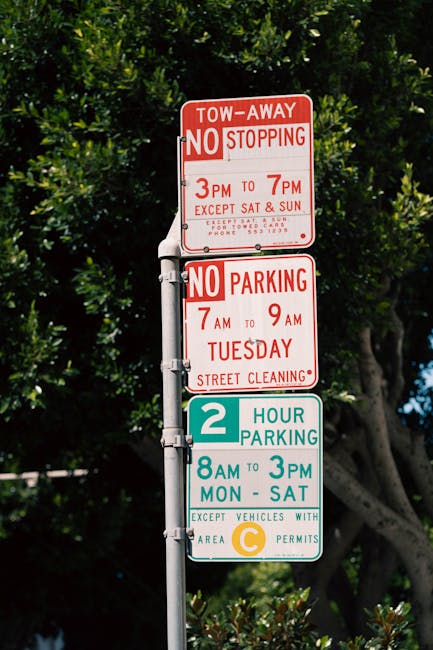
Parking and loading on public roads should always be approached cautiously. Local restrictions, estate rules, and road markings all matter, and they can vary street by street. Rather than assuming a broad area rule, check the exact location, read any signs on the road, and confirm whether you need a permit, temporary dispensation or simply a short loading stop.
From a best-practice point of view, removal vans should not obstruct traffic, pavements, crossings or emergency access. That is not just about avoiding penalties; it is about basic public safety and keeping neighbours on side. If you are moving from a block of flats or a managed site, remember that the building management may have its own rules as well. Those rules can be every bit as important as council restrictions.
It is also wise to treat any local parking guidance as address-specific, not area-wide. A move near one road in Rush Green may be straightforward, while another nearby street may need careful timing because of commuters, school runs or loading limitations. That is normal. British roads like to keep us humble.
When in doubt, use conservative planning: allow extra time, choose the least disruptive legal option, and keep the mover informed. If you are unsure about service expectations or the booking process, the terms and conditions, insurance and safety information, and health and safety policy pages can help you understand the standards behind a professional move.
Options, Methods, or Comparison Table
Different parking approaches suit different moves. Here is a simple comparison to help you think it through.
| Option | Best for | Pros | Watch-outs |
|---|---|---|---|
| Short legal loading stop | Quick moves, lighter loads | Fast, simple, often enough for a small van | Not suitable if loading takes a long time |
| Permit or dispensation arrangement | Controlled streets, longer loading periods | More secure and predictable | May need advance checking and admin |
| Nearby legal parking plus trolley use | Busy roads or restricted front access | Flexible, can avoid blocked entrances | More physical effort and longer carry distance |
| Private drive or forecourt access | Homes with suitable off-street space | Usually the easiest and least disruptive | Not all properties have enough space for a removal van |
If your property has a private drive, do not assume the van can automatically fit. Measure properly. A lot of people learn that one the hard way, usually with a slightly embarrassed expression and a lot of reversing. If you are weighing up van size and access, removal van options and man and van support can help you match the vehicle to the street.
Case Study or Real-World Example
A typical Rush Green move might look like this. A family is leaving a two-bedroom terrace on a road with limited kerb space and a busy school-run period in the morning. The original plan was to park directly outside the house, but on the day the spot is already taken. Instead of guessing, the mover uses a nearby legal loading point a short walk away, and the team adapts by moving the larger furniture first while the smaller boxes are staged near the doorway.
The result? The move takes a bit longer than the family first hoped, but it stays controlled. No one is juggling a sofa across the road. No one is arguing with a neighbour about a driveway. And the van leaves without a ticket or a complaint. Not glamorous, maybe, but exactly the sort of outcome you want.
That same approach works for flats too, especially where building access is awkward. The difference is usually in the details: lift times, estate rules, loading bays, and how close the van can get before someone starts waving arms in the air. If you are moving out of a flat, the page on flat removals in Rush Green is a useful starting point.
Practical Checklist
Use this quick checklist in the days before your move.
- Confirm the exact moving address and street restrictions.
- Check whether parking is controlled, time-limited or loading-only.
- Ask whether a permit, dispensation or special arrangement is needed.
- Tell your removal company about narrow roads, low branches, bollards or tight corners.
- Identify the best legal place to stop the van.
- Plan a second parking option nearby.
- Prepare boxes so the first load is ready to go.
- Protect floors, door frames and furniture paths.
- Keep a phone handy for last-minute access updates.
- Leave a little margin in the schedule. Just a little, but enough.
If your move also involves clearing out unwanted items, you may want to read bulk waste removal options so you can separate what is moving with you from what needs to go. That makes the van load cleaner and the parking window shorter.
Conclusion
Rush Green parking permits and council rules for removal vans are not the most exciting part of moving, but they are one of the parts that can make or break the day. Get them right and the rest of the move feels smoother, safer and far less rushed. Ignore them and you may end up paying in time, stress or an avoidable fine.
The best approach is simple: check the exact street, plan for the size of the vehicle, allow for loading time, and keep your removal team informed. That combination usually prevents most of the headaches people worry about. And once the van is parked well, everything else tends to fall into place more easily than you expected.
If you are still refining your moving plan, take a moment to review your packing, access and timing together rather than as separate jobs. That small bit of joined-up thinking saves a surprising amount of stress. Honestly, it is one of those tiny decisions that makes the whole day feel more human and less frantic.
Get a free quote today and see how much you can save.
Move day has enough moving parts already. Parking does not need to be one of the scary ones.
Frequently Asked Questions
Do I need a parking permit for a removal van in Rush Green?
Sometimes, but not always. It depends on the exact street, the parking controls in place, and how long the van needs to remain there. A short loading stop may be treated differently from ordinary parking.
Can a removal van stop outside my house to load?
In many cases, yes, if the stop is lawful and does not block traffic, crossings or private access. The key point is that loading rules can differ from parking rules, so the exact situation matters.
What if my road has yellow lines or loading restrictions?
Then you need to be more careful. Some restrictions still allow loading for a limited period, while others do not. Check the signs on the street and plan with the mover before moving day.
Are parking rules different for flats and apartment blocks?
Very often, yes. Flats may have estate rules, private parking arrangements or building management conditions on top of any council restrictions. Always check both layers if they apply.
How far in advance should I sort out parking for a move?
As early as possible, ideally while booking the move. That gives you time to check access, request any permission needed and adjust the vehicle size if required.
What happens if the van cannot park near the property?
The move can still go ahead, but it may take longer and involve more carrying. That increases physical effort and can affect the schedule, so it is better to have a backup option ready.
Is it better to use a smaller van if parking is tight?
Sometimes. A smaller van can be easier to place on narrow streets, but it may require more trips. The right choice depends on the volume of items and the access at both properties.
Do removal companies usually help with parking advice?
Good ones usually do, yes. They often want to know about road width, permits, restricted access and timing because it affects the whole job. It is in everyone's interest to get that sorted early.
Can neighbours complain if a removal van is parked outside?
They can, especially if access is blocked or the van is parked in a restricted place. Keeping the stop brief, legal and considerate is the best way to avoid that sort of friction.
What should I check first: the parking sign or the council permit rules?
Start with the street signs and the property access, then confirm whether a permit or special arrangement is needed. Signs on the road are immediate and practical, while permit rules tell you what is allowed for longer stops.
Does parking planning matter for same-day removals?
Absolutely. Same-day moves leave less room for delay, so parking needs to be sorted quickly. If the van has to circle or relocate, the whole timetable can slip.
What is the simplest way to reduce parking stress on moving day?
Choose the closest legal stop, prepare the load in advance, and tell the mover about any access issue before they arrive. That is usually the cleanest way to keep the day calm.